Tooth Removal
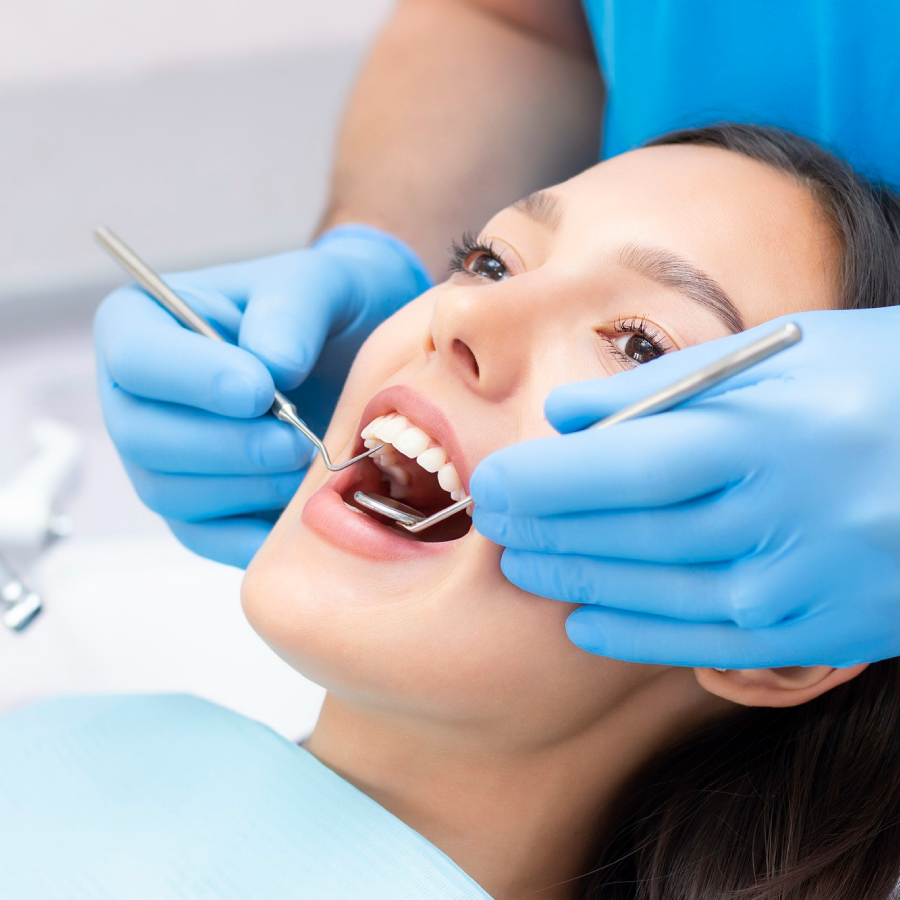
Tooth removal is a dental procedure performed when a tooth is damaged, decayed, infected, or causes crowding. It helps relieve pain, prevent complications, and maintain overall oral health and comfort.
Tooth Removal
If it's necessary, we'll help to do it right
Sometimes, people need to have a tooth pulled out. This is called a tooth extraction. This tooth extraction is usually done by a dentist or an oral surgeon. There are various reasons why you might need to have a tooth pulled.
- Pain Relief
- Prevents Infection Spread
- Improves Oral Function
- Supports Future Dental Treatments


BOOK A VISIT
Explore Our Services for Lasting Dental Health!
Our team of highly skilled dentists and support staff are dedicated to delivering personalized care tailored to your.
Fill out the form below, and we'll get back to you as soon as possible.
BENEFITS
Depending on your individual situation, your full mouth rehabilitation can include:
Regular health checkups are the key to early detection, prevention, and long-term well-being.
Reduces Risk of Gum Disease
Removing severely decayed or impacted teeth lowers the chances of gum infections and periodontal disease.
Prevents Damage to Nearby Teeth
An impacted or overcrowded tooth can put pressure on surrounding teeth; extraction protects them from shifting or damage.
Enhances Aesthetic Appearance
Extraction of problematic teeth allows for proper alignment, orthodontics, or cosmetic treatments, leading to a healthier, more attractive smile.
Promotes Overall Health
By removing a source of chronic infection or inflammation, tooth extraction can improve overall health and reduce risks of related systemic issues.
Frequently Asked Questions
What happens during a tooth extraction?
If you need a tooth extraction our dentist will usually give you a local anaesthetic to numb your mouth and you won’t feel any pain. Our dentist will then use a special tool to loosen the tooth in the gum. Once the tooth is loose, they will remove it with forceps.
If your tooth extraction is more complicated, you might need to be given a general anesthetic, where you will go to sleep. You may also be referred to an oral surgeon if the case is complicated.
What happens after a tooth extraction?
After your tooth has been removed, your dentist will probably need to make sure the gum socket is clean. If you needed a cut in the gum during tooth removal, you might need a stitch to close the cut.
You might have some bleeding and if so, the dentist will usually ask you to bite down on a piece of gauze to stop the bleeding.
Once the anaesthetic wears off, you will probably have some pain. Your dentist might give you pain relief medication or recommend an over-the-counter medicine.
We usually advise patients to eat soft foods and chew on the unaffected side of your mouth for a while after the tooth extraction. Be careful not to bite your lip when it is numb. You should rest and avoid physical sports, smoking and drinking alcohol for the next day or so.
Usually, the wound will take 1 or 2 weeks to heal. However, contact your dentist if you have ongoing pain, swelling or fever.
Are there any alternatives to tooth extraction?
Ask the dentist to explain any alternatives to tooth extraction and what their benefits and risks are.
Are there any complications in tooth extraction?
Tooth extractions are very common and usually very simple. Sometimes complications may occur and include excessive bleeding or a condition called ‘alveolar osteitis’ (dry socket). However, our dentist will explain all this to you and be able to remedy the situation if it occurs.
Gallery
Take a Look Inside Our Clinic
A picture says a thousand words. Your smile is the most striking feature of your first impression. Take a look at some of the transformational changes achieved from treatment at Pitt Street Dental Centre. If these transformations are something you’re looking to achieve, contact us for a consultation.
Opening Hours
Tuesday: 08:30 AM – 05 :30 PM
Friday: 08:30 AM – 05 :30 PM
Saturday: 10:00 AM – 02:00 PM
Contact Information
PHONE
EMAIL ADDRESS
CONTACT US